Do you need the rabies vaccine for India? India is the highest-risk destination for travellers. Who should have it, the 3-dose course and cost, and what to do if bitten. No GP referral.

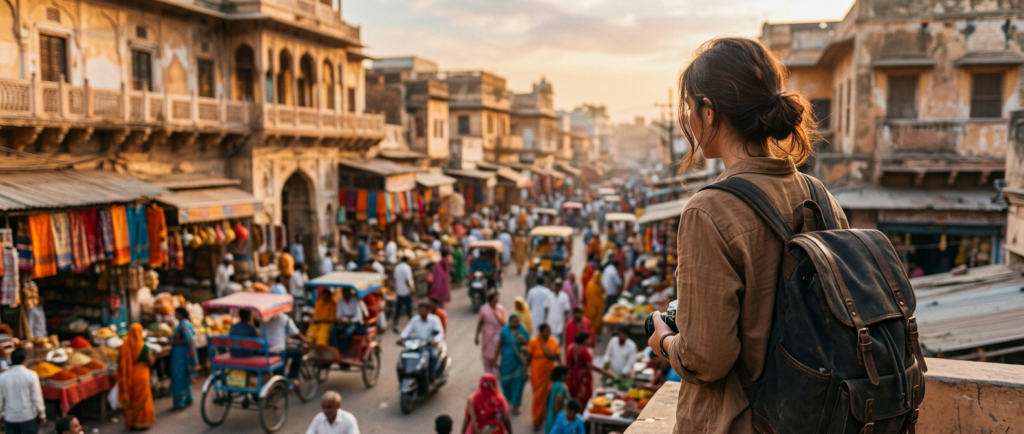
If India is on your itinerary, rabies is one to take seriously. India is the highest-risk destination in the world for travellers, and accounts for most UK travel-related rabies cases, so the pre-exposure vaccine is well worth considering. This guide explains why, who should have it, and the practicalities. For the full picture, see our guide to the rabies vaccine.
Stray dogs are common across Indian cities and rural areas, and monkeys gather around temples and tourist sites, both of which can carry rabies. On top of that, the treatment you would need after a bite, particularly rabies immunoglobulin, can be difficult to obtain quickly in parts of the country. That combination of higher exposure and harder-to-access treatment is exactly why pre-exposure vaccination makes such a difference for India.
It is strongly advised for longer trips, rural travel, and anyone backpacking, cycling or spending time away from major cities. Because exposure risk in India is high and treatment can be hard to reach, it is also worth considering for shorter and more mainstream trips, including the popular northern circuit and Goa, and especially for families, as children are more likely to approach animals. Your pharmacist will weigh up your exact plans with you.
Pre-exposure rabies vaccination is a course of three doses, given over up to about a month, at £85 per dose, which is £255 for the full course. Ideally start the course several weeks before you fly so it is complete before you travel; if time is short, book anyway, as a quicker schedule may be possible. There is no GP referral needed, and we can usually start the course the same day. You can read more about the schedule and the cost.
India has the highest burden of rabies of any country and is the most common source of UK travel-related cases, largely from stray dogs. It is a genuine risk worth preparing for.
It is most clearly advised for longer or rural trips, but given how widespread the risk is and how hard treatment can be to access, it is worth discussing even for shorter, city-based itineraries. We will give you an honest view for your trip.
Monkeys at temples and tourist sites can bite or scratch and can carry rabies, so avoid feeding or approaching them. If you are bitten or scratched, treat it as an emergency and seek urgent medical help.
Yes, and children are often a priority, as they are more likely to approach animals and less likely to report a bite. We assess each child individually.
This information covers pre-exposure rabies vaccination for travel and is general education, not medical advice. Treatment after a bite or scratch is an urgent matter: seek immediate medical attention. Rabies vaccines are prescription-only and given after a consultation where clinically appropriate.
Ready to take the next step?
Book your consultation at either Chislehurst Pharmacy Group location. Same-day and next-day appointments usually available.