The Japanese encephalitis vaccine (Ixiaro) explained: who needs it, the two-dose schedule, the accelerated option, side effects and cost. Same-day appointments at our two Chislehurst pharmacies, serving Bromley and South East London.

A short assessment from our travel health team. Four questions, a clear recommendation, and your next step. It takes under a minute.
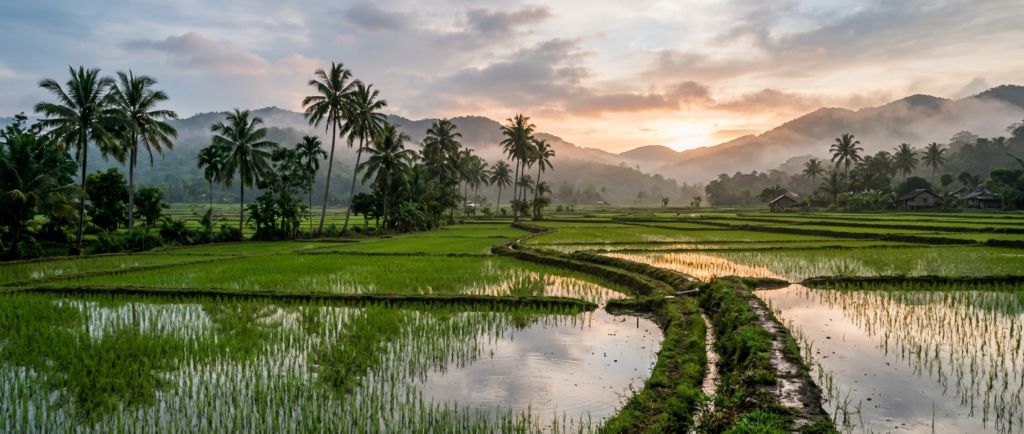
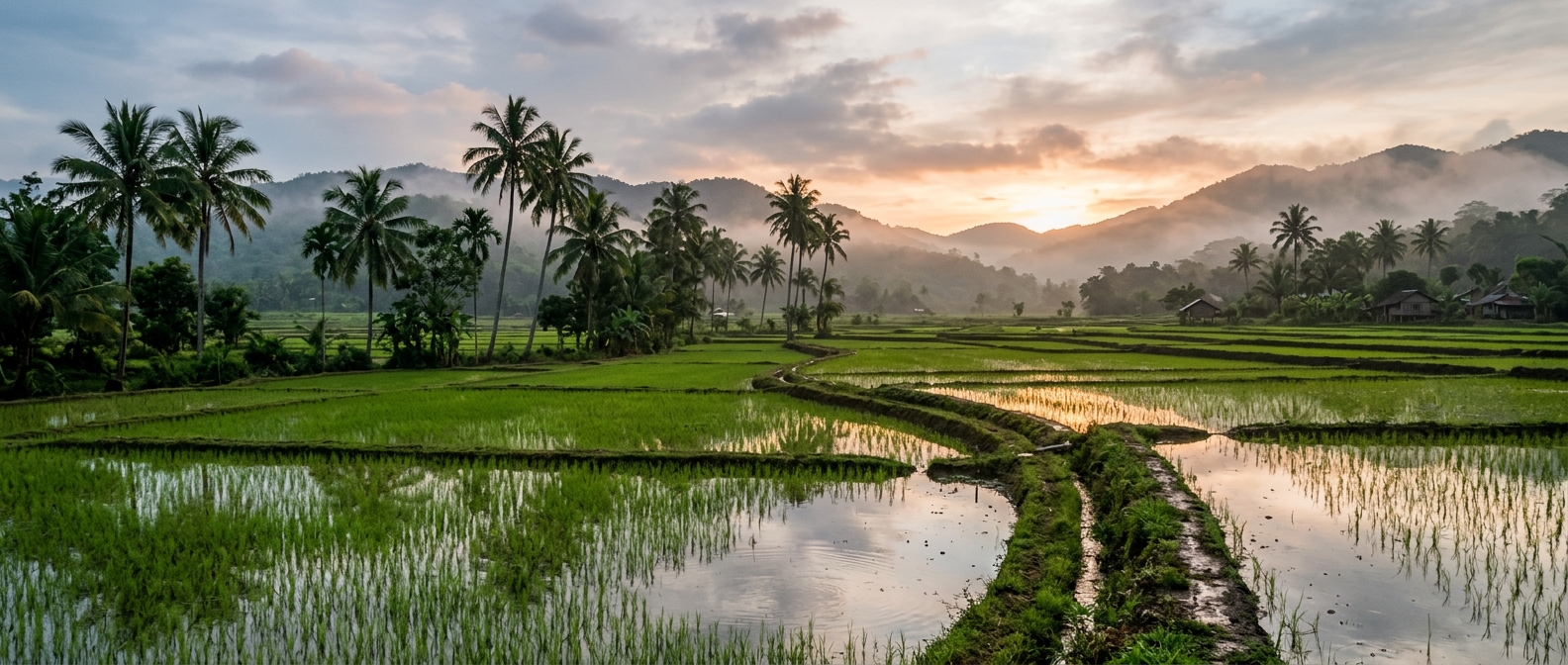
Why we ask: Japanese encephalitis risk sits in rural, rice-growing countryside, not in major cities. Where you spend your time matters more than the country itself.
Why we ask: Risk rises with the length of rural exposure. The vaccine is most clearly advised for longer stays.
Why we ask: Outdoor and rural activity, especially near farmland at dusk and dawn, raises your exposure to the mosquitoes that carry the virus.
Why we ask: Transmission peaks in the wet season, roughly May to October, when flooded rice fields increase mosquito numbers.
If your trip takes you into the rice-growing countryside of Asia, Japanese encephalitis is one of the few infections worth planning around well before you fly. It is rare in travellers, but when it does cause illness it can be devastating, and there is no specific treatment once it takes hold. Vaccination is how we prevent it.
At Chislehurst Pharmacy Group, we run travel health appointments from our two pharmacies in Chislehurst, looking after travellers across Bromley, Orpington, Sidcup, Bexley, Lower Camden and the wider South East London area. We assess your risk, give you a clear recommendation, and where the vaccine is needed we can usually start the course the same day. No GP referral, no long wait.
This guide explains what Japanese encephalitis is, who really needs the vaccine, the two-dose schedule and the faster option for adults, what it costs with us, and the side effects to expect. Read it, then book a consultation and we will tailor the advice to your exact itinerary.
Japanese encephalitis is a viral infection of the brain, caused by the Japanese encephalitis virus and spread by Culex mosquitoes. These mosquitoes breed in flooded rice paddies and around pig farms, and they bite mainly at dusk and dawn. The virus is endemic across 24 countries in Asia, Southeast Asia and the western Pacific, with an estimated 68,000 clinical cases worldwide each year.
Most people who are infected have no symptoms or only a mild illness. The concern is the small number who go on to develop the severe form. That can mean high fever, severe headache, neck stiffness, seizures and, in the worst cases, coma. Around 30% of people who develop severe disease do not survive it, and of those who do, between 30% and 50% are left with lasting neurological or psychiatric effects. Because there is no specific antiviral treatment, prevention through vaccination and bite avoidance is what counts.
Transmission follows the mosquito season. In most endemic areas the risk is highest between May and October, peaking around the monsoon when rice fields are flooded. In some tropical regions there is a degree of risk all year round. The CDC and the World Health Organization both note that risk rises sharply with rural exposure and the length of your stay.
This is the question that matters most, and the answer is not the same for every traveller. The risk depends on where you are going, how long for, the time of year and what you will be doing once you are there. A weekend in Bangkok carries a very different risk profile from a month volunteering on a rural farm. Here is how we think about it.
We strongly advise the vaccine if you are travelling to rural endemic areas for more than a month, or if your trip involves time near rice paddies, pig farms or irrigation channels during the transmission season. The same applies to extensive outdoor activity such as trekking, cycling or camping in risk areas, and to aid workers, agricultural researchers and anyone living or working rurally for an extended period.
It is worth discussing the vaccine even for shorter rural visits during peak season, urban trips that include rural day trips or excursions, open or uncertain itineraries that may end up rural, and travel to endemic islands such as parts of Indonesia, the Philippines and Papua New Guinea. If your plans might change once you arrive, it is better to be covered than caught out.
For most people, urban-only travel to major cities such as Bangkok, Tokyo, Seoul or Singapore does not warrant the vaccine, and neither does a beach resort holiday with no rural exposure or travel outside the transmission season. We will tell you plainly when you do not need it. A good consultation is as much about ruling vaccines out as ruling them in.
Thailand and Vietnam are two of the destinations we are asked about most often, and the answer for each comes down to where you are going within the country. If you are heading either way, read our detailed guidance on whether you need the Japanese encephalitis vaccine for Thailand and on the Japanese encephalitis vaccine for Vietnam, then bring your itinerary to your appointment.
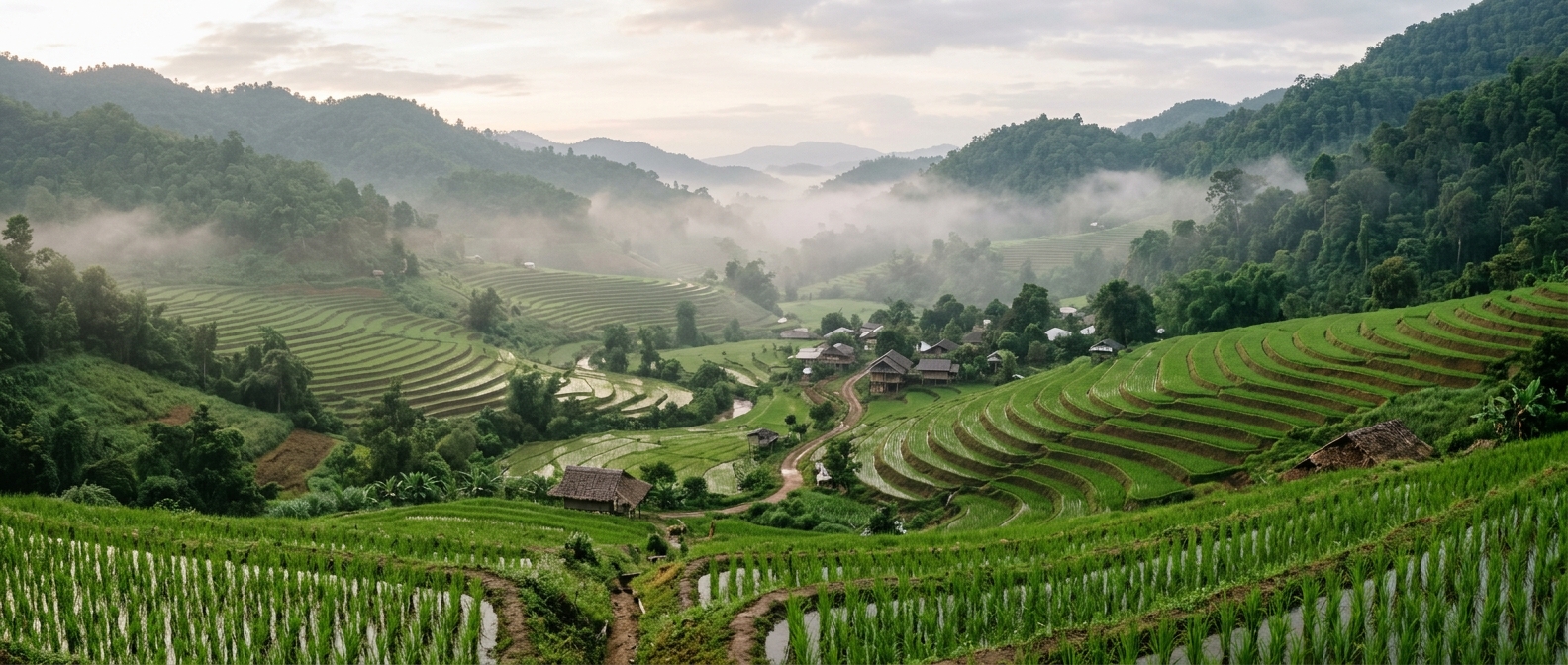
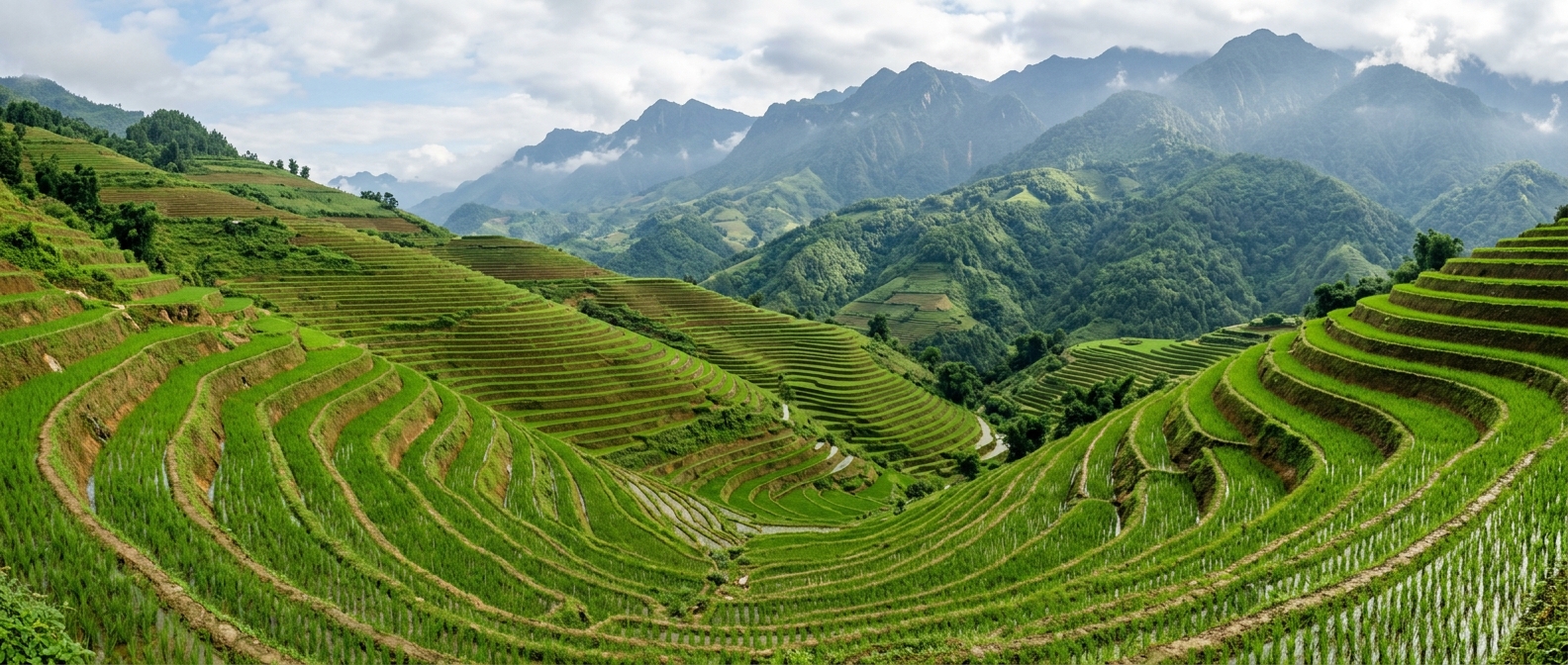
The higher-risk countries include Cambodia, Laos, Vietnam, Thailand (particularly rural and northern areas), Myanmar, Bangladesh, the Terai region of Nepal, eastern India including West Bengal, Assam and Bihar, rural southern China, rural Luzon in the Philippines, the rice-growing areas of Java and Bali in Indonesia, Papua New Guinea and parts of Malaysia. Japan, South Korea, Taiwan and peninsular Malaysia carry a lower, more occasional risk.
Within a single country the picture varies a great deal. Northern Thailand is a good example. The risk around the rural areas and farmland near Chiang Mai is not the same as a few days spent in central Bangkok. If your route includes the north, our guide to the Japanese encephalitis risk in and around Chiang Mai goes into the detail. The principle holds wherever you travel: rural, longer and wetter all push the risk up.
Ixiaro, made by Valneva, is the only Japanese encephalitis vaccine licensed in the UK. It is an inactivated vaccine, which means it contains no live virus, and it is given as an injection into the upper arm. A full course is two doses. One dose on its own does not give reliable protection, so completing the course is what protects you.
On the standard schedule, the two doses are given 28 days apart. Protection begins seven days after the second dose, so the course needs to be finished at least a week before you could be exposed. For adults aged 18 to 65 who are short of time, there is an accelerated schedule that gives the two doses just seven days apart, with the same seven-day wait for protection afterwards. The accelerated schedule is not licensed for children under 18 or adults over 65, who use the standard 28-day spacing.
The dose depends on age. Adults and children aged three and over receive 0.5ml per dose. Children from two months to under three years receive a smaller 0.25ml dose. The vaccine seroconverts, meaning it produces protective antibodies, in around 97% of people seven days after the second dose on the standard schedule and around 99% on the accelerated schedule. A single dose alone protects only a minority of people, which is the reason both doses matter.
The primary course protects for at least 12 to 24 months. If you continue to travel to risk areas, a booster dose can be given 12 to 24 months after the first course, and adults can usually be offered a further booster at around 10 years. We will note your dates and tell you when a booster is due.
Ideally, come to us at least four to five weeks before you travel. That leaves room for the standard 28-day course to finish and for protection to be in place before you fly. If you are reading this closer to departure, do not write the vaccine off. Adults can use the accelerated seven-day schedule and still be protected before take-off in many cases.
If time is very tight, talk to us anyway. We will look at your whole travel health picture, including any other vaccines and malaria prevention you need, and prioritise what gives you the most protection in the days available. Japanese encephalitis is rarely the only thing to sort before a trip to Asia, and a single appointment can cover several needs at once.
The Japanese encephalitis vaccine costs £125 per dose at Chislehurst Pharmacy Group. As the full course is two doses, the total for complete protection is £250. That price is the same at both our Chislehurst pharmacies, and it covers the vaccine and its administration by our pharmacist.
Your travel health consultation lets us confirm exactly what you need before anything is given, so you are not paying for a vaccine you do not require. If you need other travel vaccines or antimalarial tablets as well, we will go through those costs with you at the same time, all in one visit.
The Japanese encephalitis vaccine has a well-established safety record, and the side effects are usually mild and short-lived. In clinical studies the most common reactions were pain or tenderness at the injection site, reported by around a third of people, headache in about one in five, and muscle aches and tiredness in roughly one in eight. Less commonly, people notice a mild fever, nausea, a flu-like feeling or a skin rash. These tend to settle within a day or two.
As with any vaccine, a serious allergic reaction is possible but very rare. Ixiaro contains protamine sulfate, so we always check your allergy history before vaccinating. We will also ask about pregnancy, any bleeding disorders, and whether you are unwell with a feverish illness on the day, since these can affect timing or route. You can read more in our dedicated guide to Japanese encephalitis vaccine side effects, and you are always welcome to ask our pharmacist anything before going ahead.
Whatever your itinerary, the vaccine is only part of the picture. Avoiding mosquito bites still matters, especially around dusk and dawn when Culex mosquitoes are most active. Cover up, use an effective insect repellent, and sleep under a net where appropriate. We will talk you through bite prevention alongside any vaccines you need.
We make this easy. You can book online in a couple of minutes, or call either pharmacy during opening hours. Our travel consultations take around 30 minutes, and where the vaccine is needed and in stock we can give the first dose at the same appointment. There is no GP referral to arrange and no waiting list to join.
You will find us at Pond Pharmacy, 59 High Street, Chislehurst BR7 5AF, and at Chislehurst Pharmacy, 59 Chislehurst Road, Chislehurst BR7 5NP. Both sit within easy reach of Bromley, Orpington, Sidcup, Bexley and Lower Camden, and we regularly look after travellers from across South East London and central London who want to be seen quickly. For the full range of jabs and advice, see our travel clinic services.
When you come in, bring any record of vaccines you have had before, your travel dates and a rough outline of your route and activities. The more we know about where you are going and what you will be doing, the sharper our advice can be.
Not for a short, city-based or beach holiday. The vaccine is advised if you are spending a month or more in rural areas, or on shorter trips with significant rural or outdoor exposure during the transmission season. We assess your exact itinerary at the appointment and tell you clearly whether you need it.
Two. Ixiaro is the only licensed Japanese encephalitis vaccine in the UK and a single dose does not give reliable protection. Full protection begins seven days after the second dose.
If you are an adult aged 18 to 65, yes. The accelerated schedule gives the two doses seven days apart rather than 28. It is not licensed for under-18s or over-65s, who follow the standard 28-day schedule.
£125 per dose, which is £250 for the full two-dose course at Chislehurst Pharmacy Group.
Ideally four to five weeks before travel so the course finishes and protection is in place before you fly. If time is short, adults can use the seven-day accelerated schedule. Protection begins seven days after the second dose either way.
Yes. Ixiaro can be given from two months of age. Children from two months to under three years receive a smaller 0.25ml dose, and everyone aged three and over receives 0.5ml. Children use the standard 28-day schedule.
The primary course protects for at least 12 to 24 months. If you keep travelling to risk areas, a booster can be given 12 to 24 months after the first course, with a further booster usually offered to adults at around 10 years.
In most cases, yes. We hold appointments across both Chislehurst pharmacies and can usually see and vaccinate you the same or next day, with no GP referral needed. Book online or call us to check availability.
Ready to take the next step?
Book your consultation at either Chislehurst Pharmacy Group location. Same-day and next-day appointments usually available.