Do you need the Japanese encephalitis vaccine for Vietnam? Where the risk is highest, who can skip it, the two-dose schedule and cost. Same-day appointments at our two Chislehurst pharmacies.

Vietnam is a higher-risk country for Japanese encephalitis than many travellers expect, yet plenty of holidays there still do not call for the vaccine. As with most of Asia, it depends on where you go, how long you stay and the time of year. Our complete guide to the Japanese encephalitis vaccine sets out the schedule and safety in full. This page applies it to Vietnam.
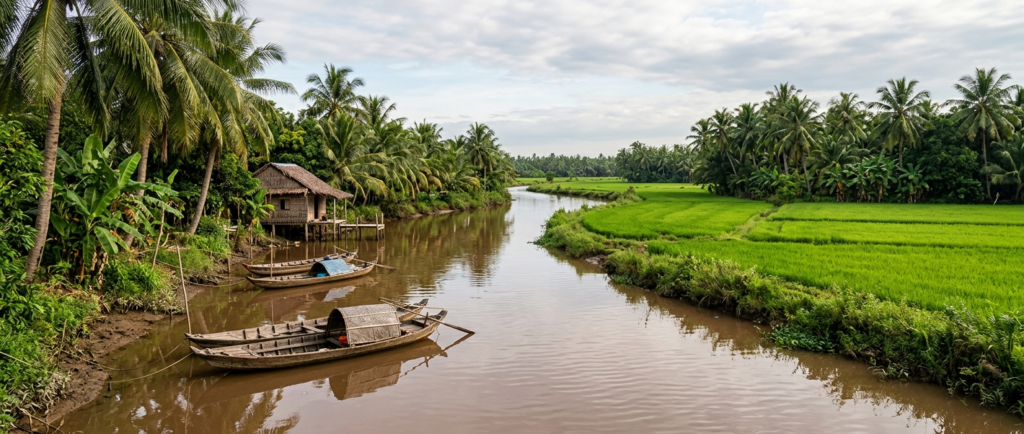
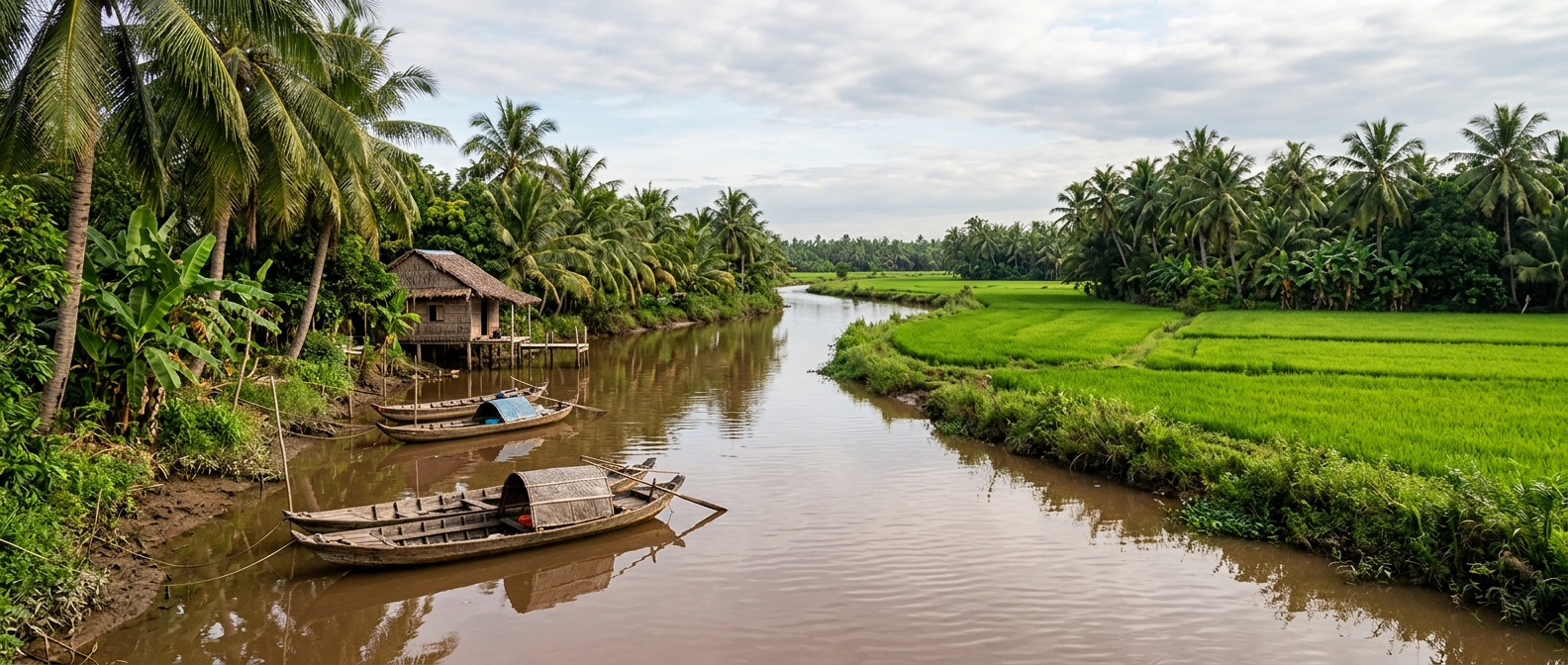
Japanese encephalitis is carried by Culex mosquitoes that breed in flooded rice fields and around pig farming. Vietnam has a great deal of both, which is why the country is classed as higher risk. The areas that matter most are the rural rice-growing regions: the Mekong Delta in the south, the Red River Delta, and the northern highlands and farmland around places like Sapa. Risk rises in the wet season, broadly May to October, when standing water multiplies mosquito numbers.
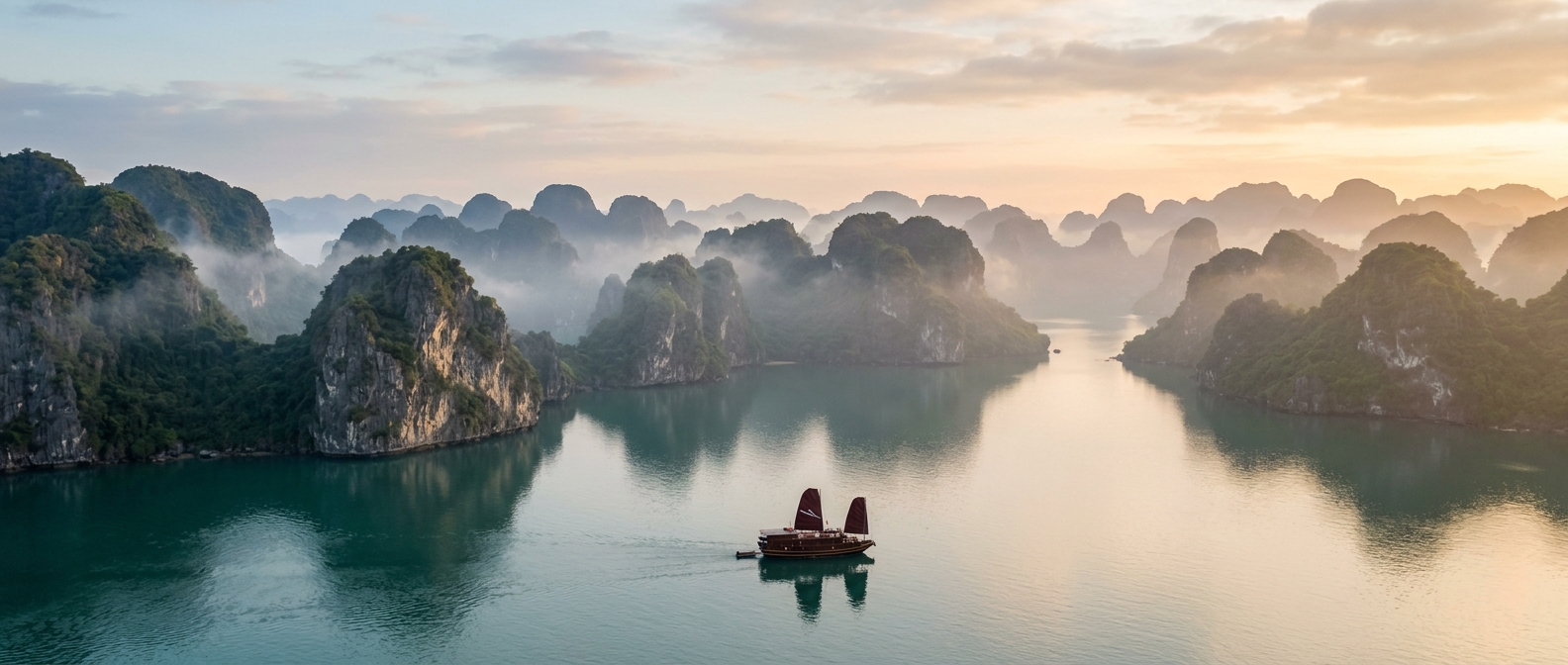
A short city-based trip taking in Hanoi, Ho Chi Minh City and a couple of nights around Ha Long Bay carries low risk, and most people on that kind of holiday do not need the vaccine. The picture changes if you are spending a month or more in the country, travelling through the deltas and rural north, cycling or trekking, or staying near farmland during the wet season. Many travellers to Vietnam also pair it with Thailand, so if that is you, see our guidance on the Japanese encephalitis vaccine for Thailand as well.
Protection takes a full course of two doses of Ixiaro, the only Japanese encephalitis vaccine licensed in the UK. On the standard schedule the doses are 28 days apart, with protection starting seven days after the second dose. Adults aged 18 to 65 can use an accelerated schedule of two doses seven days apart, which helps when a trip is coming up soon. Children and adults over 65 use the standard schedule.
For Vietnam, aim to start four to five weeks before departure where you can, or use the accelerated route if you are an adult short of time. The vaccine is £125 per dose at Chislehurst Pharmacy Group, so £250 for the full course. Because Vietnam usually involves other travel health needs as well, such as hepatitis A, typhoid and malaria prevention, we cover all of it in one consultation. The full Japanese encephalitis vaccine guide has the finer detail on schedules and boosters.
The vaccine is one layer of protection, not the only one. Vietnam also has dengue, which has no vaccine for most travellers, so avoiding bites protects you on more than one front. Culex mosquitoes are most active at dusk and dawn. Cover up at those times, use a good insect repellent, and sleep under a net where rooms are not screened. We will run through this with you when you come in.
No. There is no entry requirement for Japanese encephalitis in Vietnam. It is a risk-based recommendation for longer or rural travel, mainly in the wet season.
Usually not. Short city stays and the main tourist highlights carry low risk, so most travellers on those trips do not need it.
In rural rice-growing areas, including the Mekong Delta, the Red River Delta and the northern highlands around Sapa, particularly during the wet season.
Ideally four to five weeks before travel. Adults aged 18 to 65 can use the seven-day accelerated schedule if time is short. Protection starts seven days after the second dose.
£125 per dose, which is £250 for the full two-dose course at Chislehurst Pharmacy Group.
Yes. We assess and provide other recommended Vietnam vaccines and malaria tablets in the same appointment, so everything is handled in one visit.
If you are still unsure, a short consultation will settle it. Read our detailed Japanese encephalitis vaccine information for the background, then book in and we will match the advice to your Vietnam plans.
Ready to take the next step?
Book your consultation at either Chislehurst Pharmacy Group location. Same-day and next-day appointments usually available.